Daniel Piper
Public Educator, Curator,
and Ethnomusicologist
Creating learning experiences that ignite curiosity, deepen appreciation for human diversity, and foster growth and meaningful reflection.
Educational Programs
Understanding People Through Music, Culture,
and Social Life
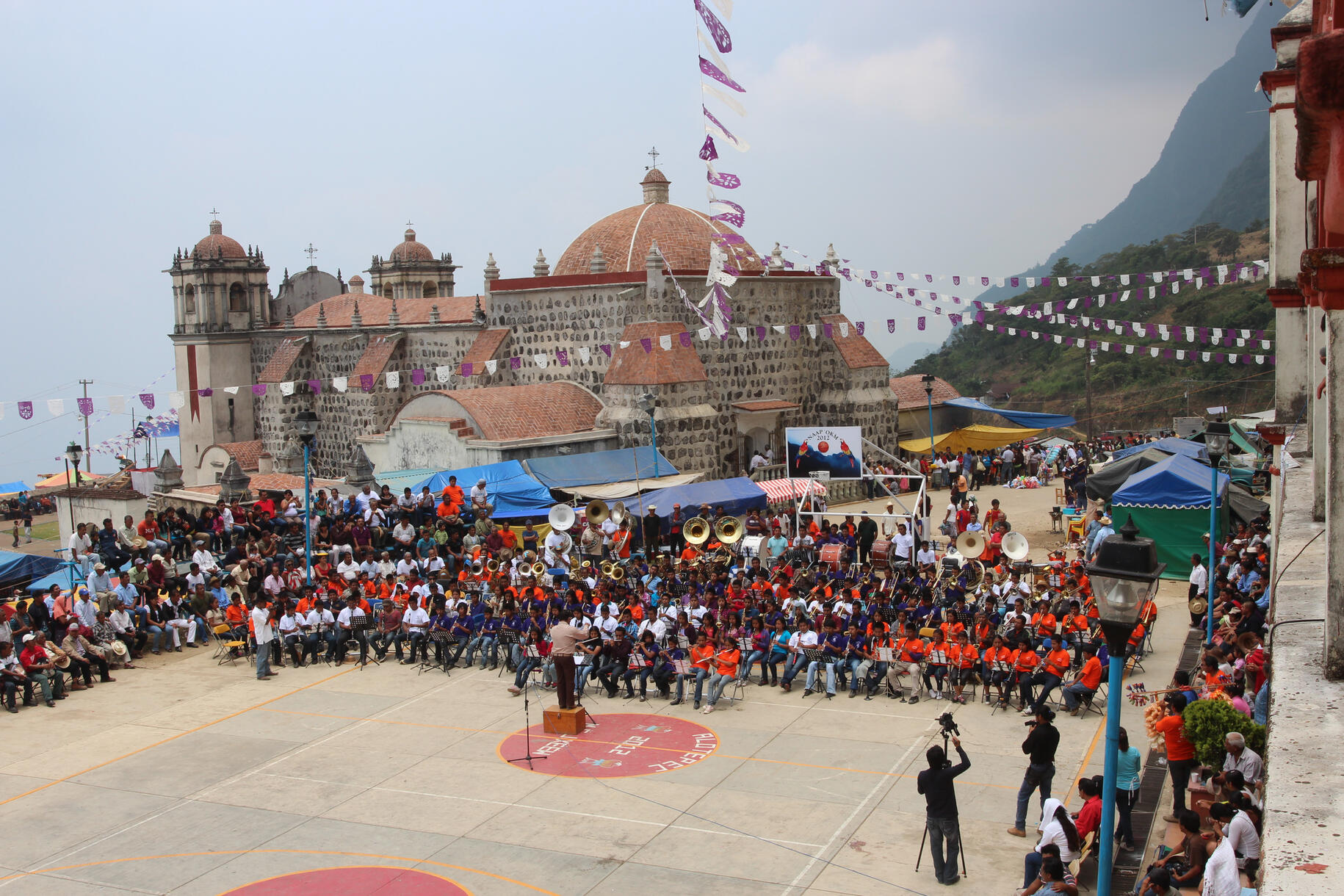
Through live talks, short courses, fieldwork stories, recordings, and visual materials, Daniel's educational programs explore the musical traditions, instruments, histories, and cultural lives of communities across Latin America and the Caribbean, the United States, Africa, the Middle East, and beyond. Together, these programs examine how music reflects and shapes human experience, cultural identity, spirituality, migration, and social change.
About Daniel
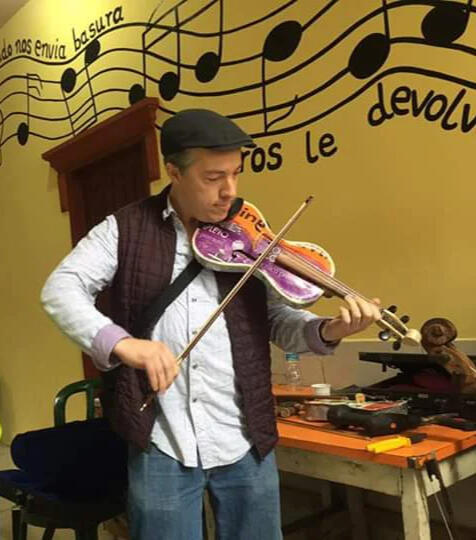
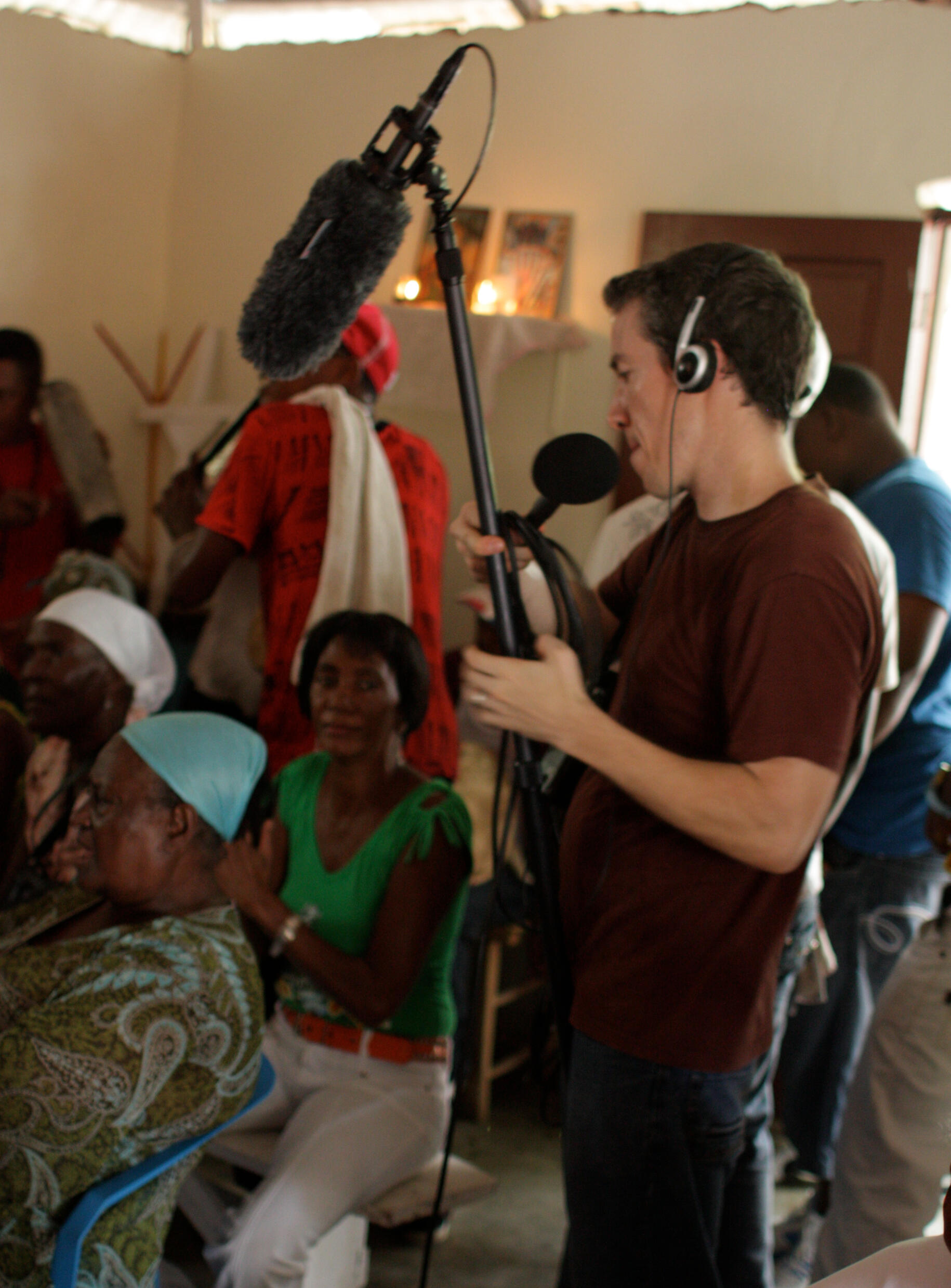
Daniel Piper is a public educator, curator, ethnomusicologist, and lifelong musician whose work explores the connections between music, culture, and human experience. Since 2011, he has served as a curator for Latin America, the Caribbean, North Africa, and the Middle East at the global Musical Instrument Museum in Phoenix, Arizona. He holds degrees from Wesleyan University, The Hartt School of Music, and Brown University, where he earned master's and doctoral degrees in ethnomusicology.From an early age, Piper developed a passion for music and a deep appreciation for human diversity, creativity, and spirituality. His Christian faith, together with these lifelong interests, continues to shape both his work and his sense of purpose.As a curator and ethnomusicologist, Piper has conducted fieldwork in more than twenty countries across Latin America and the Middle East. Through long-standing relationships with musicians, instrument makers, and cultural leaders, he has documented performances, festivals, ceremonies, and oral histories while helping build one of the world's most significant collections of musical instruments. His work has contributed to exhibitions, publications, public programs, media projects, and educational initiatives that connect audiences with diverse musical traditions and cultural perspectives.Alongside his professional work, Piper remains an active musician and creative artist. His musical experiences as a pianist, violinist, composer, and student of voice and percussion continue to inform his approach to teaching, research, and cultural engagement.
Upcoming Programs
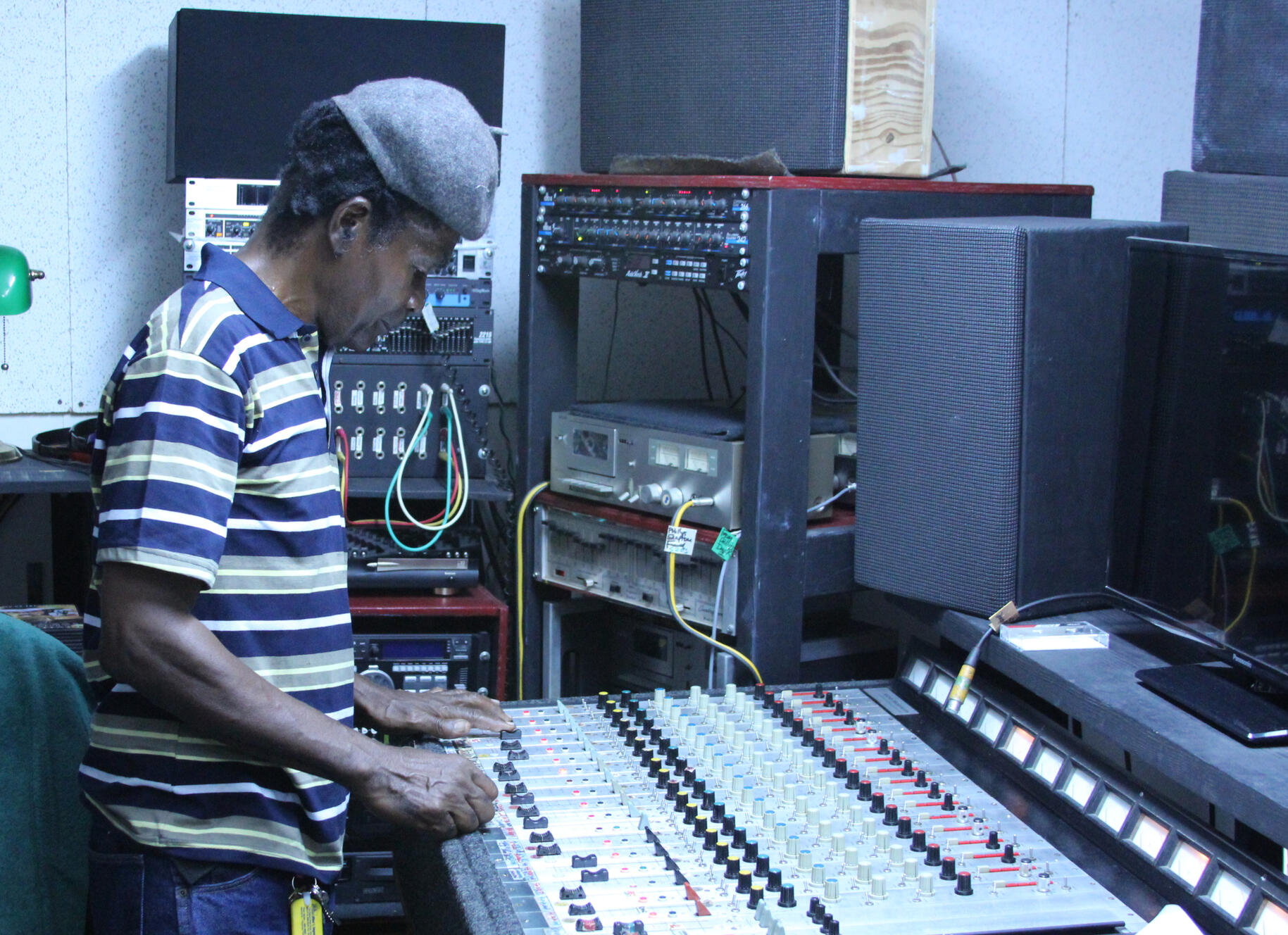
Reggae Roots and Afro-Jamaican Traditions
The Journey Behind Jamaica's Most Famous Sound
POSTPONED, New Date TBDLIVE OR ON YOUR SCHEDULE
Join us live on Zoom for the presentation, discussion, and Q&A.After the event, a video recording will be available to participants for 10 days.$25
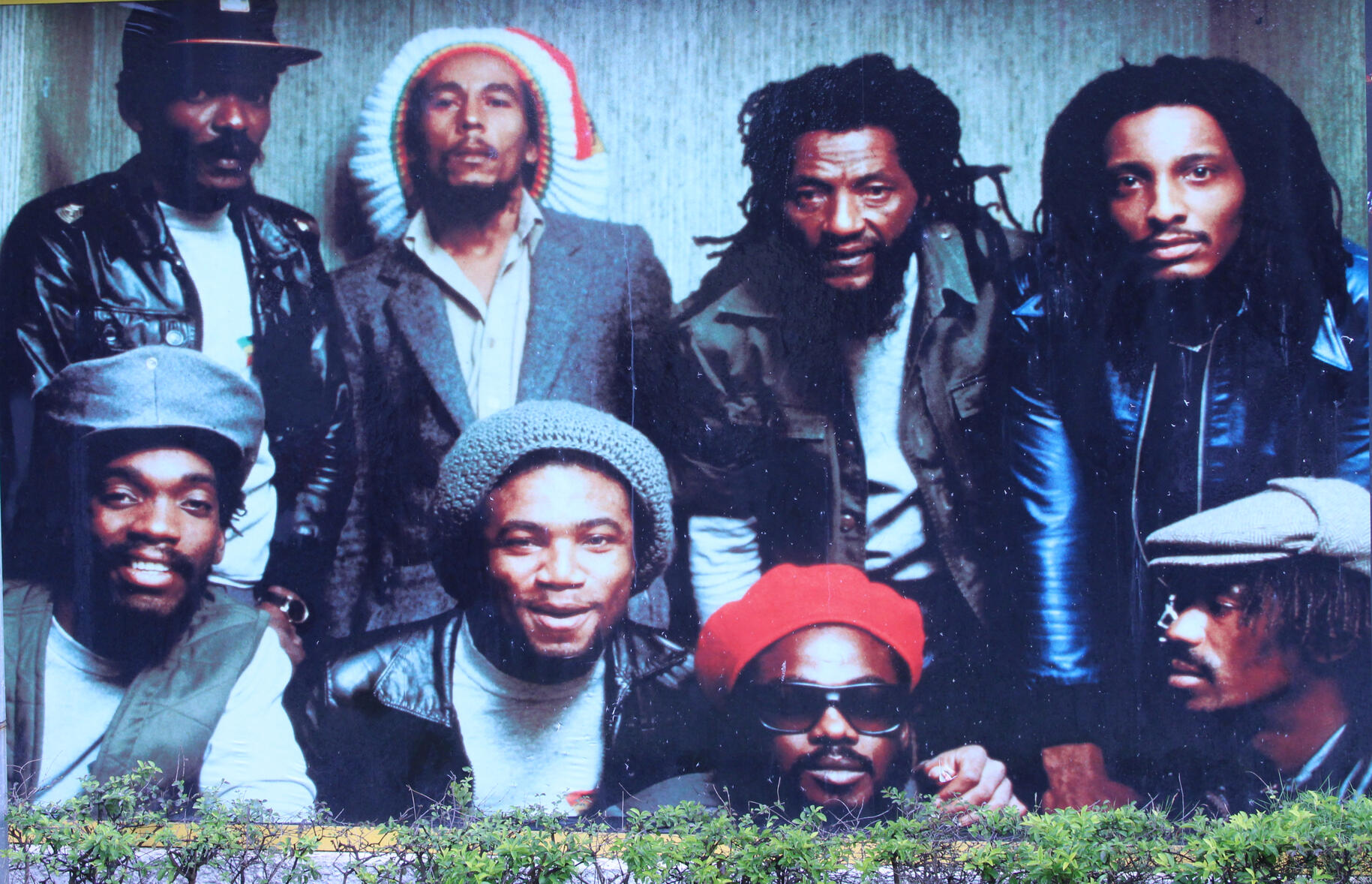
How did a small Caribbean island develop a musical sound that would become a global language of identity, spirituality, and resistance?This engaging exploration of reggae looks beyond the familiar story of Bob Marley to uncover the deeper Afro-Jamaican traditions, cultural forces, and musical innovations that shaped Jamaica's most famous sound. We’ll explore the connections between African diasporic traditions, Jamaican spirituality, Rastafari, and the social and political history of modern Jamaica.Through music and video, we’ll hear how these influences shaped reggae’s distinctive bass-and-drum rhythms and performance practices, while exploring Jamaica’s legendary sound-system culture and the pioneering studio techniques that gave birth to dub.Finally, we’ll follow reggae beyond Jamaica to discover how this deeply Jamaican music became a powerful expression of African identity, Black consciousness, and resistance around the world.No prior knowledge of reggae or Jamaican music is required.
How Black Brazil Reinvented Carnival
From Bahia's Blocos Afro to Samba-Reggae and Beyond
Details Forthcoming
The Lives and Journeys of Musical Instruments
Details Forthcoming
From Cuban Dance Bands to the International Salsa Movement (1940-1980)
PAST PROGRAM , JULY, 2026